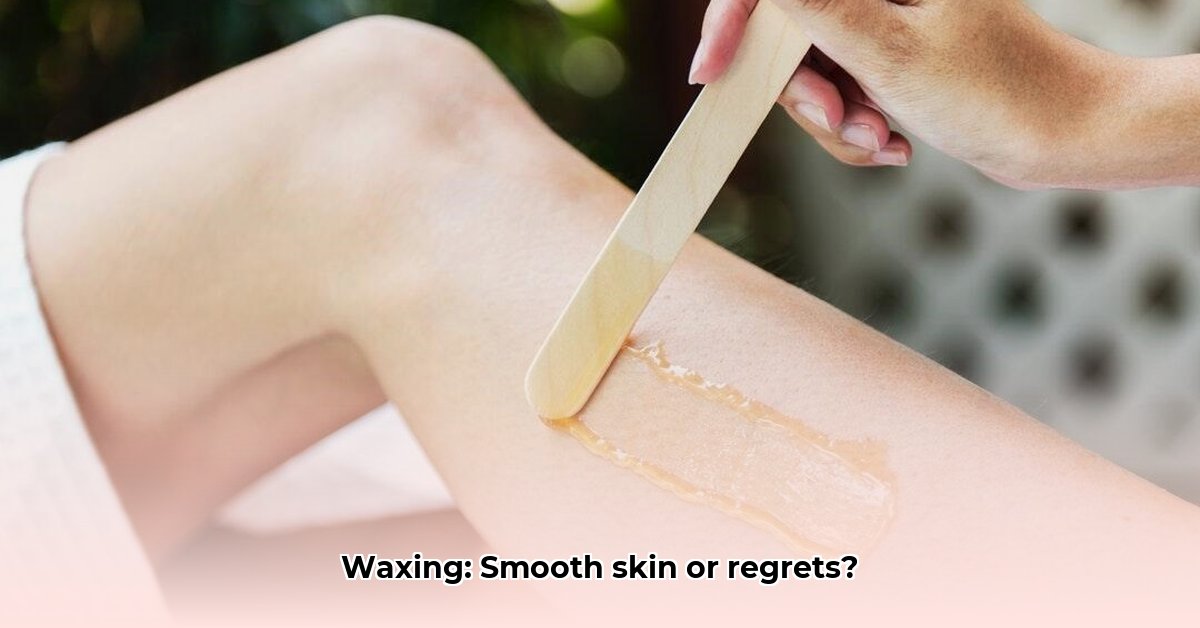
Benefits of Waxing Pubic Hair
Waxing pubic hair is a popular hair removal method offering several advantages over shaving. Many people choose waxing for its longer-lasting results and potential to reduce ingrown hairs. However, it’s essential to understand both the benefits and potential drawbacks before making a decision.
Why Wax Your Bikini Area?
The primary benefit of waxing is the extended period of smooth skin. Unlike shaving, which provides only a day or two of smoothness, waxing offers several weeks of hair-free skin. This significantly reduces the frequency of hair removal, saving time and effort. But is it worth the potential discomfort? Let's explore the pros and cons to help you make an informed choice.
The Advantages of Waxing
- Long-lasting smoothness: Waxing removes hair from the root, resulting in significantly longer periods of smooth skin (3-6 weeks) compared to shaving (1-3 days).
- Reduced ingrown hairs: While not completely eliminating them, waxing can substantially reduce the occurrence of ingrown hairs, a common problem associated with shaving.
- Gentle exfoliation: The waxing process naturally exfoliates the skin, removing dead skin cells and potentially improving skin texture and brightness.
- Confidence boost: Many individuals report an increase in self-confidence and body positivity after waxing.
Potential Drawbacks of Waxing
It's crucial to acknowledge that waxing isn't entirely painless and carries some risks.
- Pain: Waxing can be uncomfortable, particularly during the first few sessions. Individual pain tolerance varies considerably.
- Infection risk: As with any procedure that breaks the skin, there's a small risk of infection. Proper hygiene before and after waxing is vital to minimize this risk.
- Irritation: Redness, inflammation, and minor rashes are common temporary side effects, especially for those with sensitive skin.
- Cost: Professional waxing is generally more expensive than at-home shaving methods.
Preparing for Your Wax: Minimizing Discomfort and Risks
Proper preparation significantly impacts the waxing experience.
- Hair length: Ideal hair length is approximately ¼ inch. Too short, and the wax won't grip effectively; too long, and it will be more painful.
- Gentle exfoliation: Exfoliate gently 1-2 days prior to remove dead skin cells and reduce ingrown hairs. Avoid exfoliating immediately before waxing.
- Cleanliness: Ensure the area is clean and dry before your appointment.
- Post-wax care: After waxing, avoid tight clothing, hot tubs, saunas, and strenuous exercise for at least 24 hours. Apply a soothing lotion to hydrate and calm the skin.
Waxing vs. Other Hair Removal Methods
Here's a comparison of waxing and shaving:
| Method | Pain Level | Cost | Longevity | Ingrown Hairs |
|---|---|---|---|---|
| Shaving | Low | Very Low | 1-3 days | High |
| Waxing | Moderate | Moderate | 3-6 weeks | Low |
Finding a Reputable Waxing Professional
Choosing a skilled and experienced technician is paramount. Research salons, read online reviews, and prioritize cleanliness and professionalism.
Addressing Your Concerns: Is Waxing Right for You?
Waxing may not be ideal for everyone. Individuals with sensitive skin, skin conditions, or health concerns should consult a dermatologist or healthcare professional before proceeding. Carefully weigh the benefits and risks to make an informed decision.
How to Minimize Brazilian Wax Irritation and Ingrown Hairs
Minimizing irritation and ingrown hairs requires a multi-pronged approach encompassing pre-wax preparation, the waxing process itself, and meticulous post-wax care.
Understanding Ingrown Hairs and Irritation
Ingrown hairs occur when hair follicles fail to open properly after waxing, causing the hair to curl back into the skin. Irritation results from the trauma of hair removal and potential reactions to products used.
Before You Wax: Skin Preparation
- Gentle Exfoliation: Exfoliate 1-2 days before, but not immediately before waxing.
- Hydration: Maintain skin hydration with gentle moisturizers.
- Avoid Irritants: Avoid sun exposure and harsh chemicals before waxing.
During the Wax: Choosing a Skilled Technician
Opt for a professional with experience using hard wax, which provides better hair grip and minimizes breakage, a primary cause of ingrown hairs.
After the Wax: Post-Wax Care
- Gentle Cleansing: Use a mild, fragrance-free cleanser.
- Moisturization: Apply a soothing, fragrance-free lotion or oil.
- Loose Clothing: Wear loose clothing to promote airflow and reduce friction.
- Gentle Exfoliation (Days Later): After a few days, gentle exfoliation helps prevent ingrown hairs.
- Avoid Irritants: Refrain from scratching or picking at the area.
Dealing with Ingrown Hairs
If ingrown hairs occur:
- Use warm compresses to soften the skin.
- Gently exfoliate once irritation subsides.
- Consult a dermatologist for persistent or infected ingrown hairs.
Long-Term Strategies
- Regular Exfoliation: Incorporate regular exfoliation into your routine.
- Laser Hair Removal: Consider laser hair removal for a long-term or permanent solution.